Knights in plate armour often dominate the popular image of medieval warriors. However cloth and leather armour played a vital role in the defensive capabilities of soldiers and commoners alike. These materials were widely used due to their accessibility, versatility, and effectiveness. They protected against various threats on the battlefield. In this article, we delve into the manufacture and use of cloth and leather armour in medieval Europe. We will be shedding light on their significance in an era defined by constant conflict and the need for protective gear.
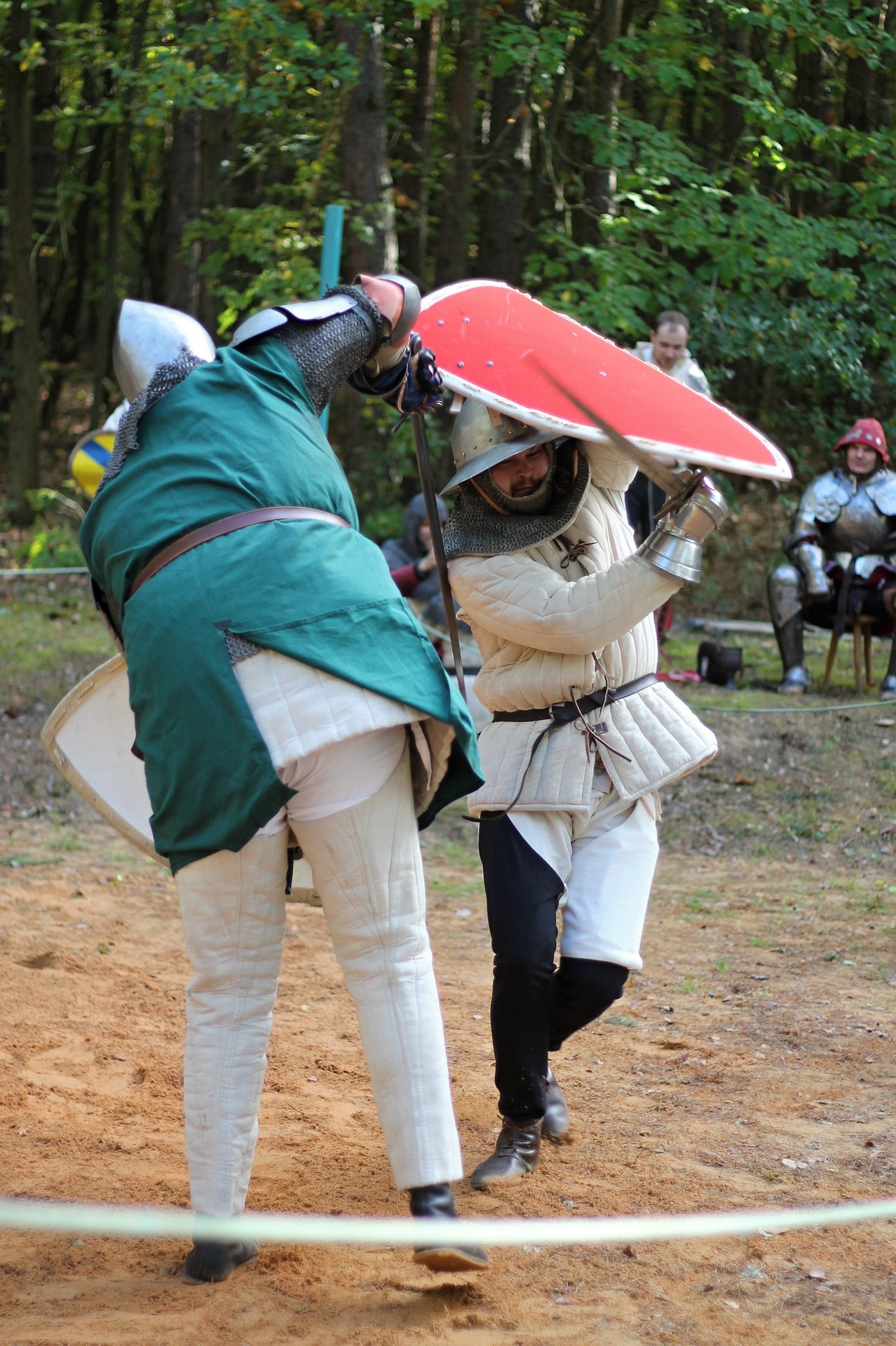
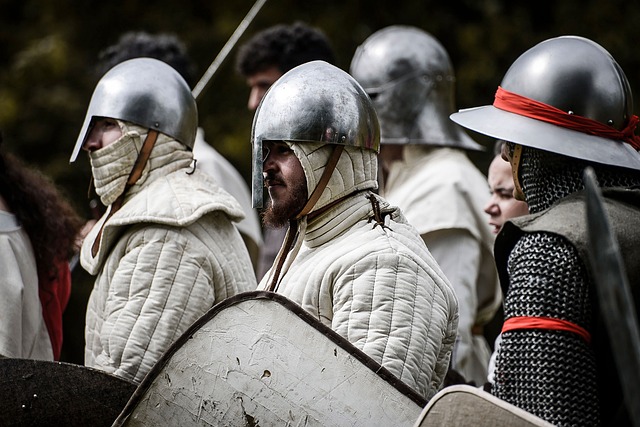
Cloth armour, also known as padded armour or gambeson, was constructed from layers of thick, quilted fabric. It provided excellent protection against slashing and bludgeoning attacks, absorbing the impact of blows and reducing the risk of injuries. The manufacture of cloth armour involved skilled tailors and seamstresses who meticulously stitched together multiple layers of fabric. Often these were reinforced with additional materials, like linen, wool, or even small metal plates to enhance its protective qualities.
The versatility of cloth armour allowed for customization to suit different fighting styles and climatic conditions. While it was not as effective against stabbing weapons or arrows, it was lightweight and provided good mobility. Therefore making it popular among foot soldiers, archers, and cavalry troops.
Armour made of leather was another prevalent form of protection during medieval times. good leather was readily available and more durable than cloth, making it suitable for both commoners and nobles. Leather armour came in various forms, including leather cuirasses, bracers, greaves, and helmets.
The manufacturing process involved skilled leatherworkers who shaped and moulded the leather to fit the wearer’s body. Sometimes, additional layers of boiled leather or metal plates were added for extra protection. The combination of toughness and flexibility made leather armour effective against slashing attacks and provided some defence against thrusting weapons.
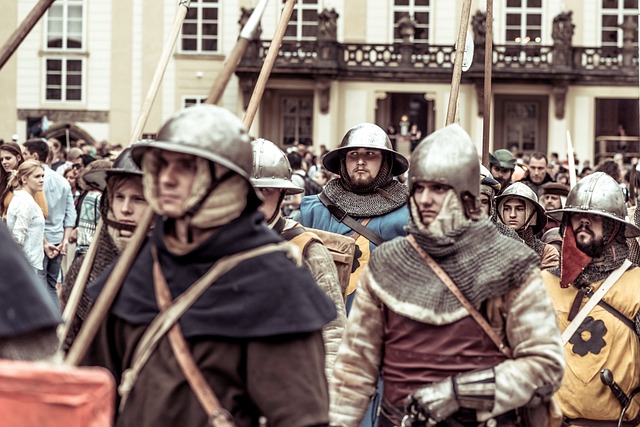
The use of cloth and leather armour was not confined to a specific social class or rank. Therefore making it accessible to a broader range of warriors. Common foot soldiers, archers, skirmishers, and mercenaries often relied on these materials as their primary defensive gear. This was due to their affordability and ease of maintenance. In the antique world the Macedonians and Greeks used layered cloth armour called Linothorax that consisted of layers of durable linen. The sources disagree if they were sewn together or glued together with hare-skin glue.
For archers, whose primary role was to rain arrows on the enemy from a distance, cloth armour offered sufficient protection. This without hampering their mobility or accuracy. Similarly, light cavalry units appreciated the flexibility and breathability of padded armour. It allowed them to execute swift manoeuvres on horseback.
Leather armour was popular among both infantry and cavalry, as it provided a balance between protection and mobility. Its ability to resist slashing attacks made it especially valuable in close combat situations, which were common on the medieval battlefield.
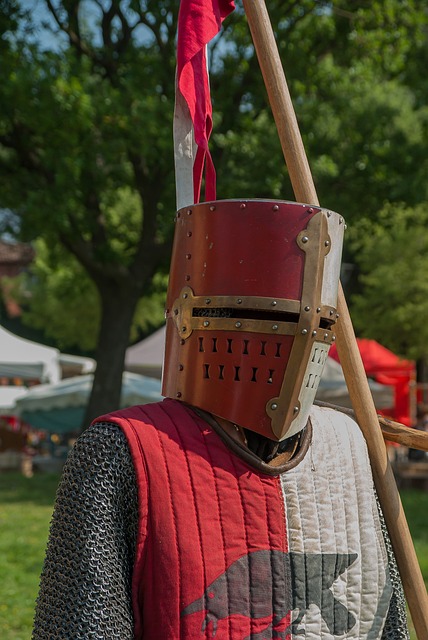
As warfare and weapon technologies evolved, so did the design and use of cloth and leather armour. Both materials were frequently combined with mail (chain mail) to create a layered defence against various types of attacks. Gambeson armour, in particular, was often used as a secondary protective layer underneath metal armour, offering additional cushioning and comfort for the wearer.
Moreover, advancements in textile and tanning techniques led to the production of more robust and durable forms of cloth and leather armour. As armorers experimented with different materials and manufacturing methods, the protective qualities of these armours improved significantly.
Despite their versatility and effectiveness, cloth and leather armour gradually declined in use among knights and nobility with the emergence of brigandine and full plate armour in the late medieval period. Plate armour provided unparalleled protection against various weapons, rendering cloth and leather armour less viable on the battlefield for those that could afford brigandine and plate.
Additionally, the increasing use of firearms and gunpowder weapons in the late medieval and early modern periods diminished the effectiveness of cloth and leather armours. This together with the mass production of metal cuirasses for foot soldiers lead to the eventual obsolescence of cloth and leather armour.
The manufacture and use of cloth and leather armour in medieval Europe exemplify the ingenuity and adaptability of the warriors of that era. These armours were essential components of a soldier’s defensive gear, providing protection, mobility, and accessibility for both commoners and nobles. The craftsmanship involved in creating these armours highlighted the skills of tailors, seamstresses, and leatherworkers, whose expertise contributed to the overall defensive capabilities of medieval soldiers.
While cloth and leather armour eventually gave way to more advanced forms of protection, their historical significance and impact on medieval warfare remain a testament to the resourcefulness and creativity of those who depended on them to survive the rigors of the battlefield.